What Korean Language Learning Resources Work for Beginners
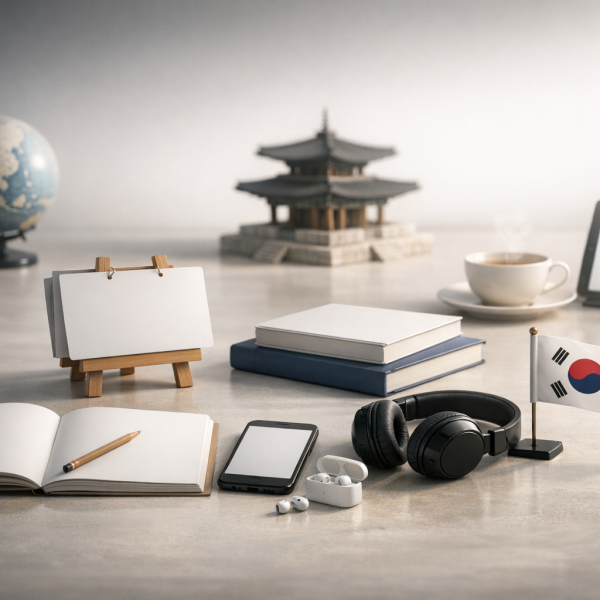
Starting a new language can feel overwhelming, especially when you are unsure where to begin. Korean is no exception: its unique alphabet, unfamiliar sounds, and different sentence structure can intimidate even the most determined learners. Yet with the right mix of resources and a clear strategy, beginners can build a solid foundation faster than they expect and actually enjoy the process.
1. Master Hangul First with Alphabet Apps and Guides
Everything in Korean starts with Hangul, the Korean writing system. Many beginners try to jump directly into phrases or vocabulary written in romanization, but this only slows progress. By dedicating a few days to focused Hangul study, learners unlock the ability to read real Korean content, follow textbooks, and make sense of online resources.
Effective beginner resources for Hangul include illustrated charts, interactive apps that let you trace letters on the screen, and printable practice sheets. These tools turn what looks complex at first glance into manageable pieces: consonants, vowels, and combinations. Short video lessons can reinforce the correct stroke order and pronunciation, helping learners avoid bad habits that are difficult to correct later.
2. Combine Textbooks with Audio for Pronunciation and Structure
Textbooks may seem old-fashioned, but they remain one of the most effective tools for beginners. A good beginner textbook introduces grammar step by step, offers structured dialogues, and provides exercises for review. When paired with audio tracks, it also helps learners absorb natural pronunciation and rhythm, something that text alone cannot deliver.
Many modern textbooks include QR codes or downloadable audio, so learners can listen on their phones while commuting or doing chores. By reading dialogues while listening to the recordings, beginners train their eyes and ears together. This integrated approach builds confidence, making it easier to transition into more advanced materials and even into specialized linguistic fields like professional translation, where services such as english to hindi translation services and best game localization services depend on a solid command of grammar, context, and nuance.
3. Use Dedicated Beginner Apps for Daily Practice
Language apps designed for beginners can transform short pockets of free time into useful study sessions. These apps often present vocabulary in themed sets (family, food, travel) and use quick quizzes, matching exercises, and spaced repetition to help it stick. While they should not be the only tool, they are excellent for maintaining consistency.
For newcomers to Korean, the best apps emphasize Hangul rather than only romanization, use clear audio from native speakers, and allow for review of previously learned words. Progress tracking and daily streaks create a sense of accountability. Used daily for ten to fifteen minutes, apps can help learners expand their vocabulary base without feeling overwhelmed.
4. Supplement with YouTube Channels and Short Video Lessons
Dedicated apps are excellent for building a daily habit, but they work best as part of a wider toolkit. Many learners plateau when they rely on gamified drills alone, so pairing app sessions with textbooks and real conversation is essential. Understanding this balance is the key to getting real value from language learning apps.
Short-form video content is particularly useful for beginners because it delivers information in digestible chunks. Many Korean teachers on video platforms focus on pronunciation, basic sentence patterns, or survival phrases that new learners can apply immediately. This kind of content reduces the distance between theory and real-life communication.
Searchable playlists organized by topic (grammar, vocabulary, conversation) enable learners to customize their study path. Videos that include subtitles in both Korean and another language are especially valuable, as they make it easier to follow along and pause for review. Combined with a notebook or digital notes app, these lessons quickly create a personalized mini-course.
5. Practice Listening with Podcasts and Simple Dramas
Listening is the skill that many beginners neglect, even though it is critical for real-world communication. Starting early with appropriate listening materials prevents later frustration. Slow, learner-focused podcasts introduce clear dialogue and explanations in manageable segments. Over time, they improve comprehension and help learners get used to natural sentence patterns.
Short drama clips and variety shows can also be helpful as long as learners choose content close to their current level and use subtitles wisely. Watching the same scene multiple times, first with subtitles and then without, trains the ear to pick out familiar words and expressions. Consistent listening practice accelerates progress and makes future speaking practice feel more natural.
6. Join Online Communities and Language Exchange Platforms
Language learning is easier when you are not alone. Online communities offer encouragement, accountability, and an endless supply of tips. Forums, chat groups, and social media communities give beginners a place to ask questions about grammar, vocabulary, and cultural context. Seeing how others approach similar challenges can be motivating and instructive.
Korean rewards beginners quickly because Hangul is genuinely learnable in an afternoon. The thai language offers no such early win, as learners face five tones and a script with no word boundaries before they can read a menu. Knowing which kind of curve you are on changes how you should plan the first six months.
Korean resources face an additional hurdle, since the script and register system deter beginners early. Anything that increases early friction shows up immediately in renewals. That relationship between friction and customer retention holds across almost every subscription product.
Language exchange platforms allow beginners to connect with native Korean speakers who want to learn another language. Even early in the journey, simple text or voice exchanges can boost confidence. Structured exchanges, where each person spends equal time in each language, keep interactions fair and productive. Over time, these conversations provide insight that no textbook can match.
7. Incorporate Flashcards and Spaced Repetition Systems
Vocabulary is the backbone of communication, and flashcards remain one of the most efficient ways to build it. Digital flashcard tools that use spaced repetition automatically reschedule review sessions based on how well the learner remembers each word or phrase. This ensures that difficult items resurface more often, while easy ones appear less frequently.
For beginners, it is essential to include not only isolated words but also short phrases, example sentences, and audio. Grouping related words together (for example, food items or everyday actions) helps the brain create associations that support long-term retention. Consistent use of flashcards for ten to twenty minutes a day can significantly speed up vocabulary acquisition.
8. Use Workbooks and Writing Practice to Reinforce Grammar
Writing by hand helps lock in grammar and vocabulary. Workbooks designed for beginners provide targeted exercises, including fill-in-the-blank sentences, translation tasks, and simple composition prompts. These activities force learners to actively recall structures, rather than simply recognizing them.
Copying short dialogues or sample sentences from textbooks and writing resources repeatedly develops muscle memory for common patterns. Over time, learners can progress to writing short diary entries in Korean, even if they rely on dictionaries at first. This habit not only reinforces grammar but also reveals gaps that can guide future study.
Building a Beginner-Friendly Korean Study Routine
Effective Korean study for beginners is not about finding a single perfect resource, but about combining complementary tools. A solid start includes mastering Hangul with focused guides, using textbooks with audio to understand structure, relying on apps and flashcards for daily review, and turning to videos and podcasts for listening practice. Online communities and language exchanges add real-world context and motivation.
By creating a routine that touches each of these areas regularly, learners move beyond memorizing isolated words and begin to think in Korean. The key is consistency, realistic goals, and the willingness to adjust resources as skills grow. With patience and the right mix of tools, beginners can turn initial curiosity into lasting proficiency and open the door to deeper cultural understanding, professional opportunities, and more meaningful connections.